

Skip to content
Apani
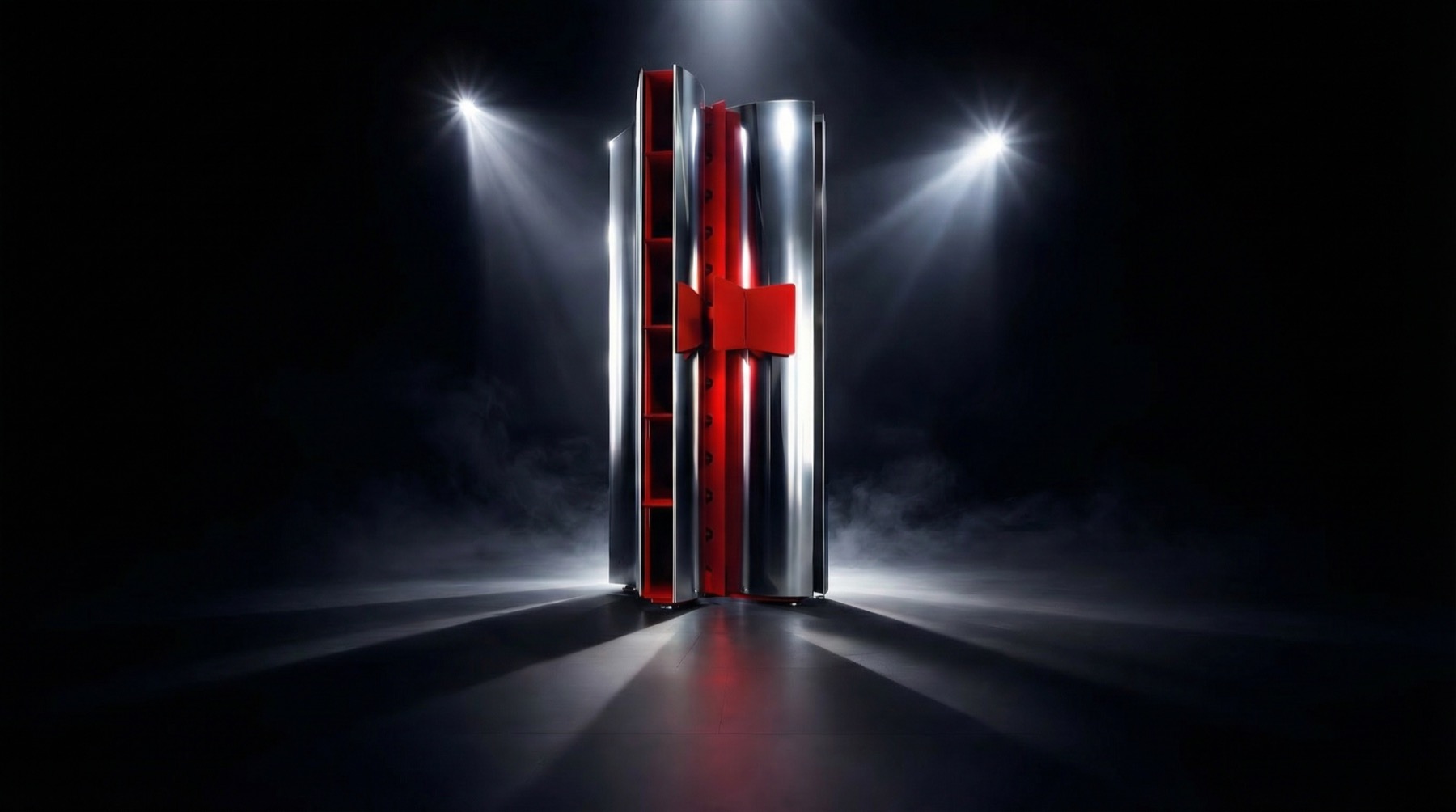
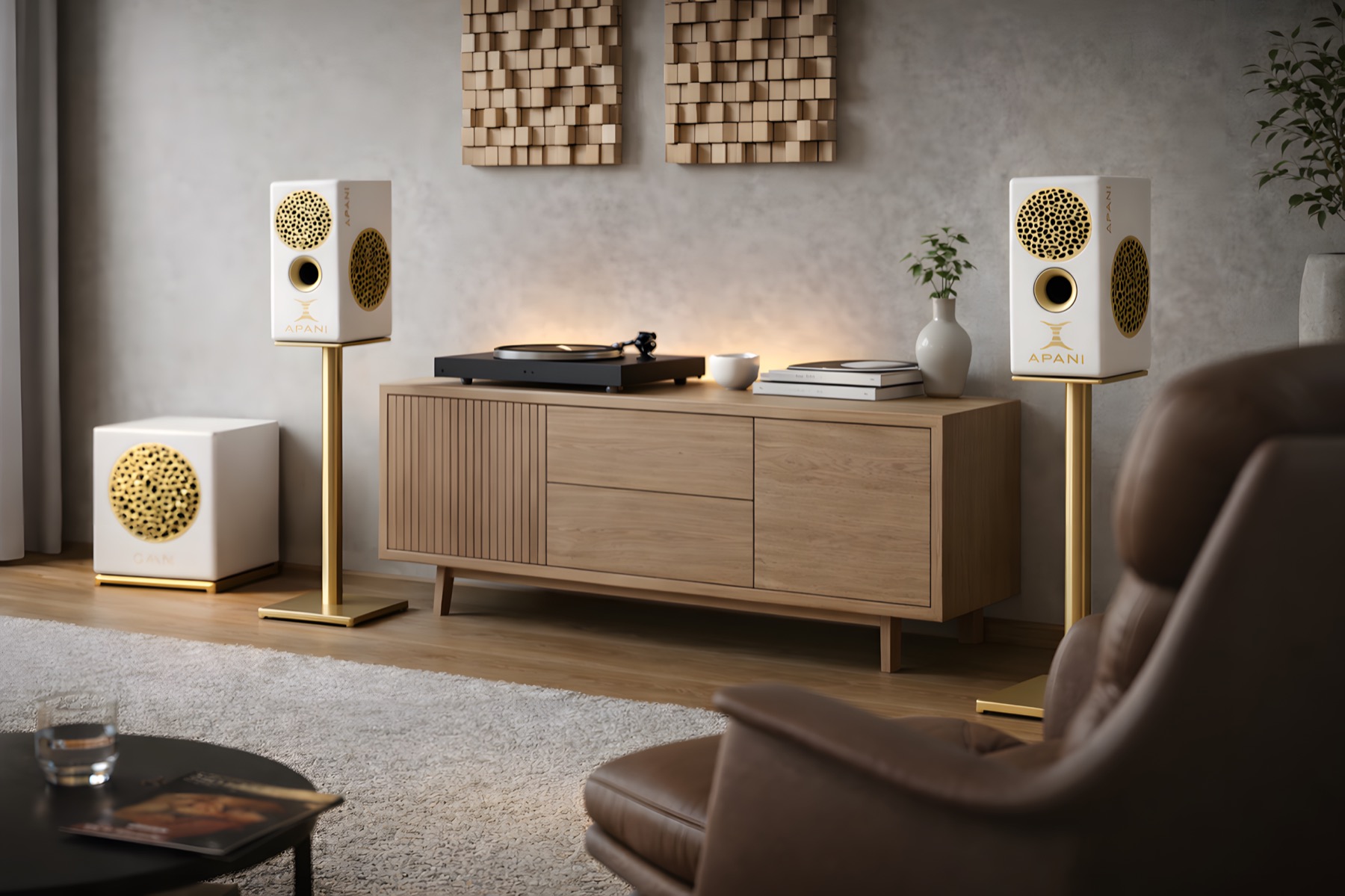
CAIRN hero shot.

APANI BESPOKE

Where Reference Becomes Personal

A personal loudspeaker system shaped around your space, your taste, and your way of listening.

Swiss Leading Innovators Award graphic

What Bespoke Means at Apani

Apani Bespoke is not built around selection. It is built around understanding. The existing Apani systems are the starting point: they define the level, the discipline, the acoustic integrity, and the aesthetic language. But they are not the limit.

From there, a project may evolve in many directions. It may remain close to an existing reference, or develop into something far more personal — in architecture, in scale, in finish, in technical philosophy, and in the way it inhabits a room.

Some clients seek a fully active system with all electronics resolved within one coherent instrument. Others prefer a passive architecture created around external amplification and an already established chain. Some want a sculptural statement. Others want a quieter presence that integrates naturally into the material language of a residence.

What remains unchanged is the standard. What becomes personal is everything around it.

The Reference, Reimagined

The current Apani systems are not fixed products in the conventional sense. They are reference platforms. They define the acoustic ambition, the engineering seriousness, the sculptural discipline, and the tonal truth from which a bespoke system can begin.

Bespoke starts exactly there: not in arbitrary freedom, but in a proven level of refinement. This is why an Apani Bespoke project does not feel like customization. It feels like authorship.

The client does not choose from a catalogue. The client enters a process in which listening, architecture, finish, scale, integration, and technical structure are brought into one coherent form.

What Can Be Tailored

Every bespoke project begins with a small number of essential questions.

How should the system live in the room? How visible should it be? Should it be active, fully integrated, purely passive, or developed around existing electronics? Should it feel monolithic, architectural, restrained, or expressive? Should it disappear into the rhythm of the interior — or stand as a deliberate object of presence?

From there, the project can be shaped across multiple dimensions:

Configuration

The overall architecture of the system can be developed around the intended performance, listening habits, and room conditions.

Electronics

Integrated amplification, active control, passive concepts, or solutions built around external electronics can all become part of the final direction.

Materials & Finish

Surfaces, metals, textures, colours, and visual transitions can be developed so the system feels fully at home in its final environment.

Spatial Integration

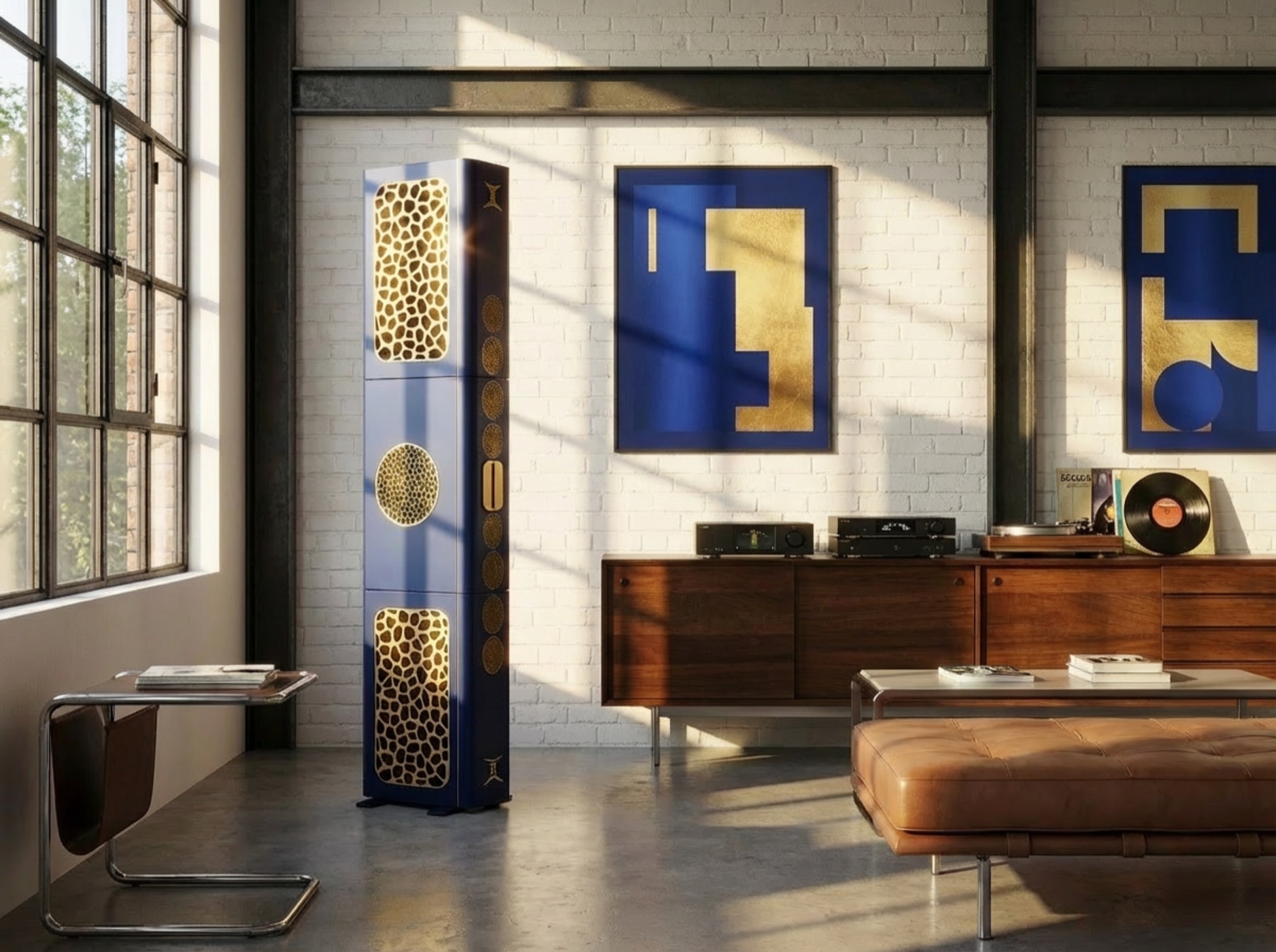
The loudspeaker is not treated as an isolated product, but as part of a real architectural situation — one defined by light, proportion, materials, and placement.

Scale & Presence

A bespoke system may become discreet and quietly resolved, or unmistakably sculptural in the room. Its visual character can be tuned with the same care as its sonic behaviour.

Final Voicing

The process does not end in production. It is only complete when the system has been installed, positioned, and fine-voiced in the actual listening environment.

Materials, Finish, and Presence

Bespoke is not only technical. It is tactile, visual, and architectural. The way a surface receives light. The way a metal edge resolves against shadow. The way a form holds presence in a room without becoming loud.

Apani Bespoke allows material expression to become personal. Restrained or expressive. Warm or monolithic. Integrated or intentionally present.

Not as decoration. But as material precision with emotional consequence.

The Bespoke Journey

A bespoke system deserves more than a transaction. It deserves a process. Each Apani Bespoke project is shaped through a sequence of conversations, decisions, references, and physical experiences — from the first dialogue to the final installation.

It begins with listening. Not listening to music first, but listening to the client: to the room, to the interior, to the way music is experienced, to the expectations that often cannot be described in technical language alone.

From there, the project gains clarity. A reference platform is selected. A technical direction emerges. Materials and finish are discussed. Scale, presence, and integration are defined. Over time, the system becomes more than a specification. It becomes a form of expression.

What emerges is not merely a loudspeaker. It is a personal reference.

For selected clients, the bespoke process can move beyond conversation and become a physical experience. A private visit may be arranged, allowing the project to take shape in direct contact with the Apani world: with systems, materials, atmosphere, and the quiet precision from which each decision gains clarity.

This is not a showroom appointment. It is the beginning of a personal reference project.

Arrival via Luxembourg Airport

For international clients, the bespoke experience may begin with arrival at Luxembourg Airport. From there, a private transfer can be arranged, leading directly into the Apani environment — calm, focused, and intentionally removed from the ordinary rhythm of travel and commerce.

The transition matters. Because bespoke is not only about the object that will eventually stand in the room. It is also about the state of attention in which that object is defined.

Arrival is therefore not treated as logistics. It becomes part of the experience.

The Private Visit

The visit itself is designed as a quiet and personal encounter with the Apani philosophy. In a dedicated environment between listening salon, design studio, and material atelier, the client experiences not only systems, but relationships: between scale and calm, between architecture and sound, between finish and presence, between technical decision and emotional consequence.

This is where references become tangible. This is where choices become clearer. This is where a system begins to take on its own identity.

A bespoke project may be refined through listening sessions, material comparisons, discussions of integration, and the review of technical pathways. Active or passive. Integrated or external. Sculptural or restrained. Each question is approached with the same standard: not what is possible in theory, but what feels coherent in reality.

From Reference to Definition

The existing Apani systems serve as points of orientation. They establish the acoustic level and the design intelligence from which the bespoke development can begin.

From there, the conversation deepens: Which system language is closest to the intended direction? How should the final object relate to the room? What degree of visual presence is desired? How should technology be embodied? Which materials belong naturally to the client’s environment?

As these answers become more precise, the system becomes more personal.

Creation

Once the direction is clear, the project moves into creation. At this stage, Apani Bespoke becomes the disciplined translation of intention into form: acoustic, architectural, and material.

Nothing is added for effect. Everything is resolved for coherence.

The result is not a modified standard product. It is a system developed around a specific person, a specific space, and a specific understanding of listening.

Installation and Fine Voicing

The final step is not delivery, but completion. Installation and fine voicing ensure that the system is not merely placed, but fully realized within its environment.

Position, room interaction, tonal balance, spatial behaviour, and emotional rightness all come together in this final stage. Only here does the project become whole.

Because an Apani Bespoke system is never defined by specification alone. It is defined by the moment in which music, room, and listener finally become one coherent experience.